Description
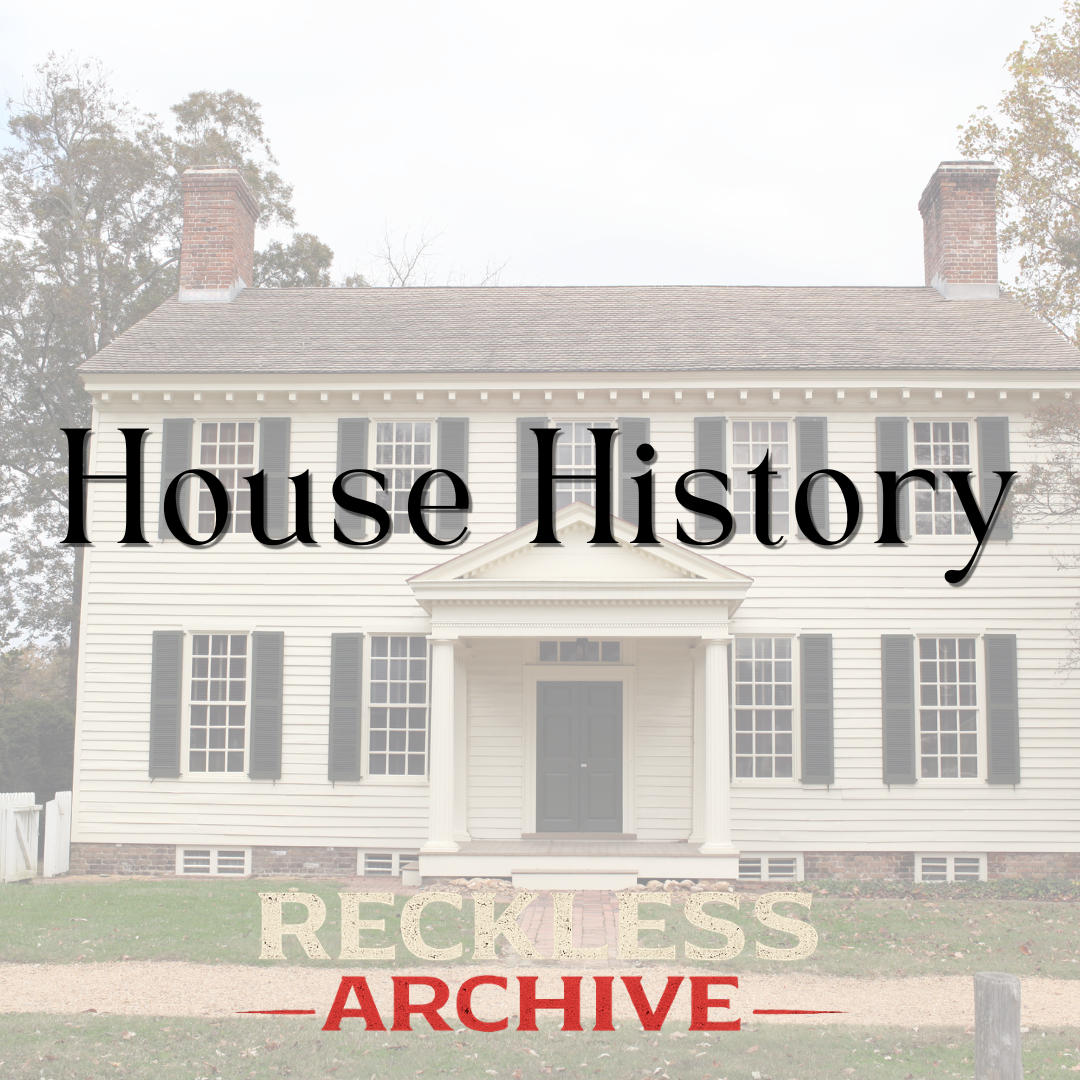
House History: Researching the History of Places by Reckless Archive
Every building has a soul, a secret past, and a unique story waiting to be told. We walk past historic brick storefronts, century-old farmhouses, and mid-century neighborhoods every single day without fully realizing the incredible human drama that occurred within those walls. Over time, the names of the architects, the eccentric homeowners, and the local businesses who shaped our communities fade into obscurity. Yet, the physical structures remain as silent witnesses to generations of change. If you want to pull back the curtain of time and discover the true narrative of your own home or neighborhood, you need a definitive masterclass on researching the history of places.
Welcome to the ultimate digital training program designed to turn curious homeowners, local historians, and property enthusiasts into skilled structural detectives. We built this highly comprehensive course to break down the complex, fragmented world of property archaeology into simple, manageable milestones. Consequently, you will receive the exact archival tools, legal document frameworks, and investigative strategies required to reconstruct a property’s timeline. Whether you are investigating an ancestral family homestead, a historic commercial building, or a local civic landmark, this program is your absolute gateway to discovery.
Stepping into the world of archival research can feel incredibly overwhelming at first glance. There is a massive, confusing sea of unindexed public property records, historical maps, and legal descriptions that can easily induce immediate analysis paralysis. This course completely cuts through that intimidating noise. We provide a clear, welcoming, and deeply engaging blueprint that honors your curiosity while building a rock-solid, professional framework for historical investigation.
Why You Need a Strategy for Researching the History of Places
Many passionate researchers begin their house history journey by simply typing their current address into a standard search engine and hoping for an immediate miracle. Regrettably, this casual approach frequently leads to massive dead ends, historical misconceptions, or complete frustration when the digital trail abruptly goes cold. Investing in a structured, proven curriculum centered on researching the history of places ensures that you avoid these common roadblocks right from the very beginning.
Uncovering property secrets is not just about finding old photos; it is about understanding how to cross-reference multiple historical datasets. It involves mastering the confusing mechanics of tract indexes, interpreting old tax assessments, and learning how to read architectural clues left behind in the woodwork and masonry. This course teaches you how to appreciate and master every single aspect of that historical investigation. We focus heavily on helping you build a professional research log, ensuring your historical journey is both highly organized and deeply fulfilling.
Furthermore, this training program is intentionally designed to scale directly with your unique geographic region and specific building eras. You do not need a degree in public history or elite access to restricted archives to produce a stunning, verified biography of a property. We teach you the core principles of structural and land analysis so you can make smart, efficient choices that maximize your library hours, protect your budget, and unlock the true potential of local archives.
The Core Philosophy of the Property Detective
To truly thrive as a local history researcher, one must understand that a building is a living, breathing artifact. The physical structure itself is often the most honest document available to you. Every structural addition, altered doorway, and layer of paint tells a specific story about economic shifts, technological innovations, and changing family dynamics. When you commit to researching the history of places, you are actively learning how to read the physical and digital footprints left behind by ordinary people.
“Walls cannot talk, but land deeds, tax receipts, and architectural blueprints speak volumes. The secret to uncovering house history is learning how to listen to the records.”
In this course, we explore the vital mindset shift required to look past the surface aesthetic of a building and analyze its historical context. You will discover how professional researchers use collateral neighborhood data to fill in the blanks when primary house records are missing or destroyed. This broader perspective transforms your archive sessions from a frustrating paper chase into an incredibly empowering, deeply meaningful act of cultural preservation.
Additionally, we emphasize the vital concept of prioritizing verified source evidence over local neighborhood myths. Every old town has a legend about a house being part of a historic network or hosting a famous historical figure, but professional research requires concrete proof. This course gives you the exact diagnostic tools to validate historical claims, resolve conflicting document data, and compile an authentic, unassailable property biography that stands the test of time.
Navigating the Property Research Framework
This comprehensive training program is broken down into thematic modules that build your archival literacy naturally. We start with the absolute fundamentals of architectural analysis and gradually expand into the finer nuances of land title chains and local social history.
| Course Phase | Focus Area | Key Practical Outcome |
| Phase 1 | Architectural Forensics | Read physical clues, building styles, and construction materials. |
| Phase 2 | The Chain of Title | Trace land deeds backward through time using grantor indexes. |
| Phase 3 | Cartographic Analysis | Utilize Sanborn fire maps and historic plats to view structural changes. |
| Phase 4 | Social History Synthesis | Uncover the human stories using census, directories, and newspapers. |
1. Architectural Forensics and Material Culture
Before you ever step foot inside a public archive, you must learn how to read the physical building itself. We demystify architectural styles in a practical, stress-free way.
-
Identifying Design Eras: Learn how to recognize the distinct markers of Victorian, Craftsman, Colonial Revival, and Mid-Century Modern architecture.
-
Reading Material Clues: Discover how nails, saw marks, mortar types, and framing methods can instantly help you verify the true age of a building.
-
Analyzing Modifications: Master the art of spotting ghost lines, hidden doorways, and structural expansions that reveal how a building evolved over decades.
2. Mastering the Chain of Title and Land Records
The foundation of any property biography is a clean list of every single owner from the current day back to the original land patent.
-
Grantor and Grantee Indexes: Learn how to confidently navigate county recorder offices to trace property transfers backward through generations.
-
Deciphering Legal Descriptions: Discover how to read archaic land measurement systems, such as metes and bounds, without getting lost in the math.
-
Unlocking Probate and Mortgages: Master the use of estate records and historic tax liens to uncover hidden family disputes and financial crises.
3. Cartographic Analysis and Visual Records
Maps do more than just show directions; they show exactly how structures grew, shrank, or changed use over the centuries.
-
Sanborn Fire Insurance Maps: Learn the secrets of utilizing color-coded insurance maps to see exact building compositions, heights, and outbuilding layouts across time.
-
Historic Plat Maps: Discover how to use county atlases and plat maps to locate your ancestors’ exact neighborhood borders and farm boundaries.
-
Aerial and Photographic Archives: Master the digital strategies required to locate vintage street-view photographs and historical aerial surveys hidden in university collections.
4. Uncovering the Human Stories: Social History
A house history is ultimately a story about the people who called it home. We teach you how to bring the former occupants to life on the page.
-
City Directories: Learn how to track annual resident changes, occupations, and boarders to see who actually lived in the house between census years.
-
Advanced Census Mining: Discover how to use state and federal population schedules to uncover the socioeconomic status, ethnicities, and family dynamics of past residents.
-
Historical Newspaper Digitization: Master the specific keyword search strategies needed to find old gossip columns, building permits, obituaries, and foreclosure notices related to your target address.
Who Is This Archival Masterclass Designed For?
This comprehensive course dedicated to researching the history of places is intentionally inclusive, highly accessible, and welcoming to investigators of all backgrounds. It is crafted specifically for anyone who wants to take absolute control of their local research and preserve community history.
If you are a historic homeowner who wants to discover who built your house, what secrets are hidden beneath the floorboards, and what your property looked like a century ago, this course provides a perfect step-by-step blueprint. If you are a professional genealogist looking to expand your business offerings by adding comprehensive house histories to your portfolio, this program will fast-track your technical archive skills.
It is also the perfect educational resource for real estate agents looking to market historic listings with compelling narratives, preservation activists fighting to save local landmarks from demolition, or creative writers seeking rich, authentic historical settings for their stories. No matter your background, regional focus, or current technical skill level, you will find a supportive, jargon-free environment that celebrates the incredible power of historical discovery.
Breathe Life into the Past Starting Today
You do not have to wander through this deeply rewarding archival landscape via stressful, expensive trial and error. Avoid the severe heartbreak of lost records, dead-end title chains, and hours wasted looking at the wrong county documents. By investing in a structured, comprehensive property education, you are fast-tracking your way to a flawless, highly professional house history portfolio.
Imagine the incredible feeling of holding a century-old handwritten deed in your hands, knowing exactly how to read it, and finding the precise date your home was built. Picture assembling a stunning, beautifully illustrated book filled with historic maps, vintage photos, and fascinating stories of the people who slept in your bedrooms generations ago. That is the timeless human magic waiting for you on the other side of this structured training program.
The structures around us are packed with hidden secrets, and their narratives deserve to be accurately preserved before they are gone forever. Stop guessing, join a vibrant global network of passionate local historians, and launch your research career on a rock-solid foundation. Enroll in the complete masterclass on researching the history of places today, take absolute control of your structural journey, and change your relationship with your neighborhood forever!

Reviews
There are no reviews yet.